
What Games Are Popular Among Residents?
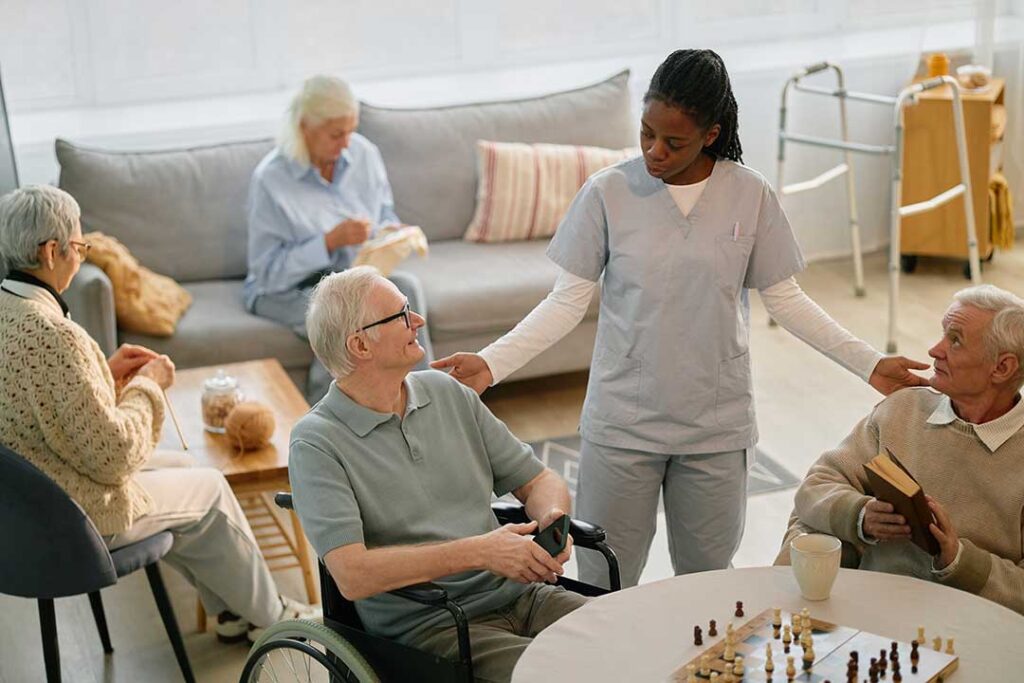
Games in assisted living are chosen for fun, social connection, and accessibility. Residents often enjoy options that encourage friendly competition, team play, or simple amusement, rather than games that require intense concentration or physical exertion. Many residents in Ebensburg participate in classic favorites like bingo, card games, and dominoes, appreciating their familiar rules and inclusive spirit.
Bingo remains a top choice due to its easy-to-follow format and group appeal. Card games such as rummy, pinochle, and bridge allow for small-group gatherings, fostering regular social interaction. Dominoes and board games provide variety and mental engagement, with many versions available to suit different preferences. Importantly, these games often adapt well for those with visual or dexterity limitations using larger pieces or specially designed cards.
How Do Games Support Resident Well-Being?
Participating in games provides cognitive, emotional, and social stimulation. Regular mental challenges can help maintain memory and reasoning skills, while shared activities promote a sense of community.
Local residents report that scheduled game times are often highlights of their week. Games break up the day, bring laughter, and create opportunities for new friendships. Many residents also appreciate having a choice—some prefer organized, staff-led games; others like informal gatherings at shared tables or in common rooms, a benefit during colder months when outdoor activities are less comfortable.
What Group Pastimes Are Most Welcoming?
Activities that encourage all skill levels are common in the area’s assisted living communities. While competition can be lively, emphasis is placed on fun and participation rather than winning. Favorite group pastimes include:
- Trivia contests, which draw on local history or pop culture and are often tailored by staff to spark fond memories or friendly debate.
- Group puzzles, such as large-piece jigsaws, which can be left out and completed gradually, offering a relaxed way to socialize and collaborate.
- Group word games, like charades or wordsearch races, adapted for low pressure and accessibility.
Residents often appreciate when activities rotate or change seasonally, such as themed word games in winter or quiz topics aligned with local events or holidays.
Are Outdoor or Active Games Available?
Outdoor activities are popular during Ebensburg’s milder seasons. Local communities often make use of shaded patios, garden areas, and walking paths to host active pastimes. Weather permitting, residents might participate in:
- Bean bag toss (cornhole), often set up on patios
- Horseshoes, using lightweight sets to ensure safety
- Gentle lawn bowling or bocce ball
These activities encourage movement without being strenuous, allowing fresh air and mild exercise while supporting social interaction. For indoor days, light stretching, seated ball toss, or balloon volleyball substitute for more active outdoor options.
Do Residents Organize Their Own Game Times?
Informal games are as important as scheduled programs. Residents sometimes organize spontaneous card games, checkers, or domino sessions in common areas, independent of structured activities. This flexibility helps residents choose how and when to participate, supporting autonomy and personal preference.
Many communities provide shared cupboards or carts stocked with games, making it easy to gather a small group whenever the mood strikes. Residents new to assisted living often find that joining these informal gatherings is a comfortable way to get acquainted.
Can Family Members Join Games and Pastimes?
Family involvement is encouraged in many Ebensburg assisted living settings. Visiting children, grandchildren, and friends may be invited to join in group activities or bring along a favorite board game to share. Popular choices for multi-generational play include:
- Simple board games like checkers or Connect Four
- Card games that can be explained quickly to visitors of any age

These shared activities help maintain family bonds, offer meaningful time together, and expose residents to new games brought in by younger relatives.
How Do Communities Adapt Games for Residents’ Abilities?
Games and pastimes are typically selected and adapted for various abilities. Staff and residents work together to modify rules, use accessible game sets, or change gameplay length to fit group needs. Examples include using:
- Large-print cards and boards for those with vision challenges
- Oversized dice or dominos for easier handling
- Simple scoring systems for residents who prefer fun over formality
The goal in the local community is inclusivity, so everyone has a chance to participate regardless of physical or cognitive changes.
What Overlooked Pastimes Are Residents Rediscovering?
Not all enjoyable activities are competitive. Many residents rediscover solo pastimes or quieter hobbies, such as:
- Listening to music or sharing favorite songs in small listening circles
- Creative activities like coloring, crosswords, or knitting circles
- Story-sharing sessions, where residents recount local memories, often leading to impromptu group conversation
Local climate affects what’s preferred; colder Pennsylvania winters encourage more indoor hobbies, while warmer months present opportunities for casual outdoor gatherings. Residents value having options and being able to suggest or lead a favorite activity, keeping community life vibrant and personally meaningful.
